







Search Results for: difference from espresso
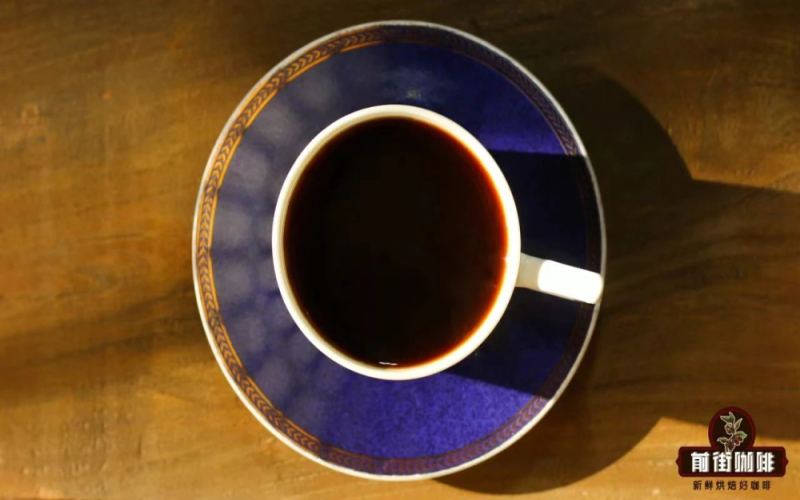
What is the core difference between Americano and Latte? A Complete Breakdown from the Espresso Base to Front Street Coffee's Blend Beans
The difference between Americano and Latte ultimately comes back to the shared base of Espresso. An Americano is espresso diluted with water, while a Latte is espresso blended with milk — the two head in completely different flavor directions. From the perspective of Front Street Coffee, this article first breaks down the extraction logic and tasting approach of Espresso, then explains the key points of making a Latte and milk steaming techniques, and finally systematically introduces the recipe concepts and flavor profiles of Front Street Coffee's four espresso blends — Black Cocoa Blend, Specialty Blend, Commercial Blend, and Warm Sun Blend — helping coffee lovers understand the complete chain of a delicious cup of espresso from beans to cup. [more…]
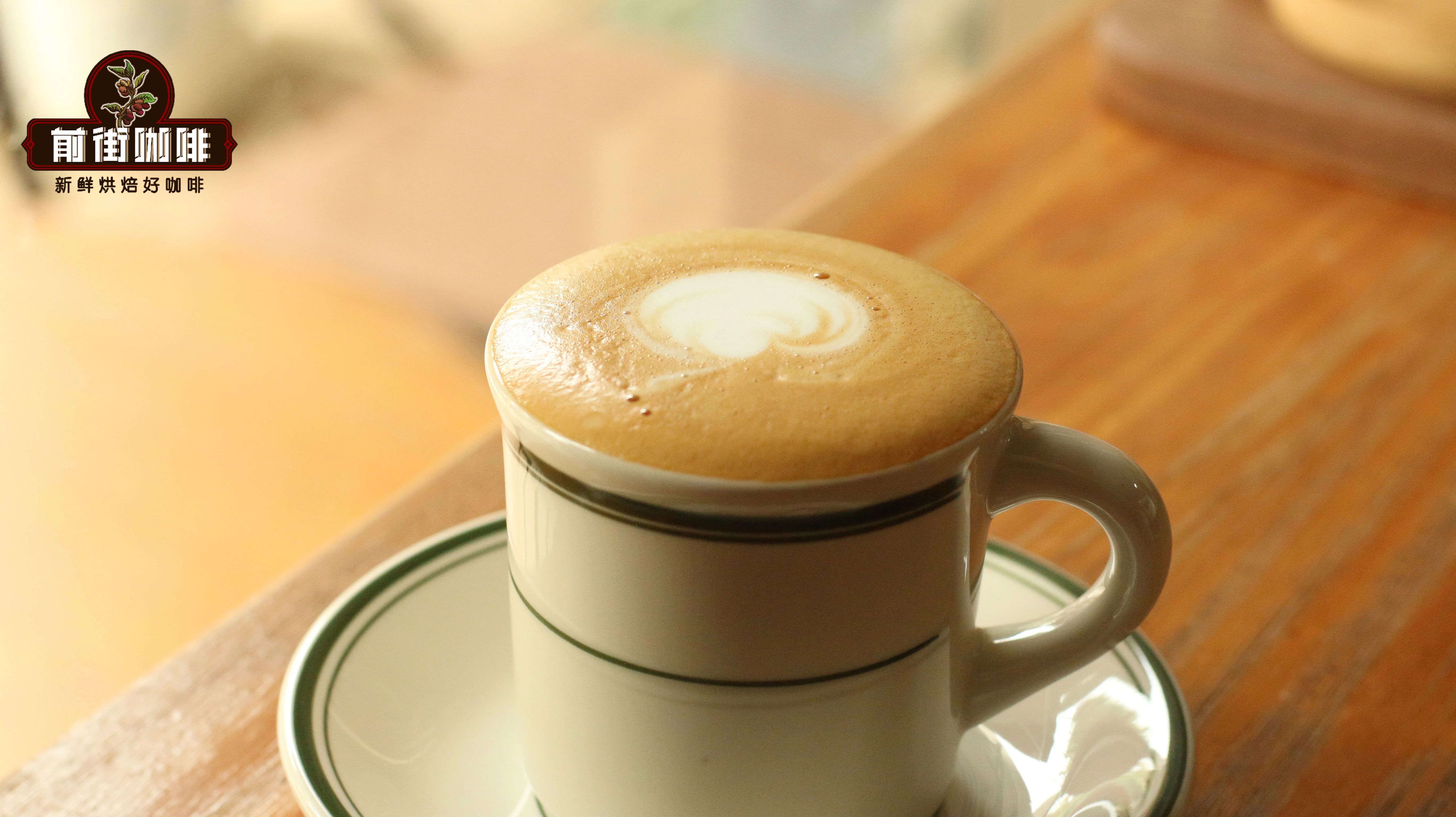
How Much Espresso Is in a Latte? Cappuccino vs. Latte Flavor Differences and Front Street Coffee Espresso Bean Recommendations
Latte and cappuccino are the two most common espresso milk drinks. Both are made from espresso, milk, and milk foam, but they differ noticeably in ratio, foam thickness, and mouthfeel. How much espresso actually goes into a latte? Roughly how much caffeine does it contain? And how should the coffee-to-milk ratio be managed during preparation? This article addresses these questions, while also explaining how to choose espresso beans, extraction parameters, and the key temperature points for steaming milk. It also introduces several Front Street Coffee espresso blends suitable for making lattes, helping coffee enthusiasts create a full-flavored milk coffee at home. [more…]
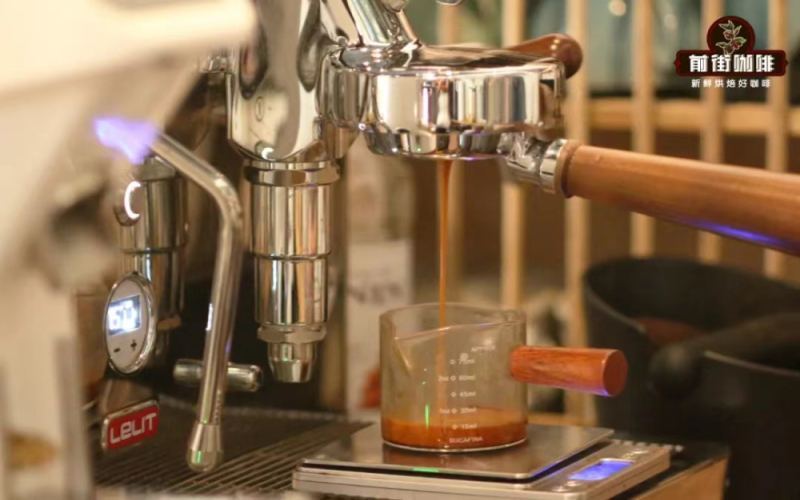
How Many Milliliters Is a Single Shot of Espresso? The Difference Between Single and Double Shots and an Analysis of Latte Ratios
For friends who are passionate about espresso-based milk coffee, the ratio of espresso to milk directly determines the flavor direction of a cup of coffee. Classic drinks such as lattes, cappuccinos, and mochas all rely on different combinations of espresso and milk, some using a single shot and others using a double shot. So how many milliliters is one shot of espresso exactly? And what substantive differences exist between a single shot and a double shot? This article will explain them one by one from the perspectives of extraction parameters, dose, and liquid weight, while also sharing the specific ratio and operating details of Front Street Coffee's latte-making process, and explaining why espresso uses blend beans rather than single-origin beans. [more…]
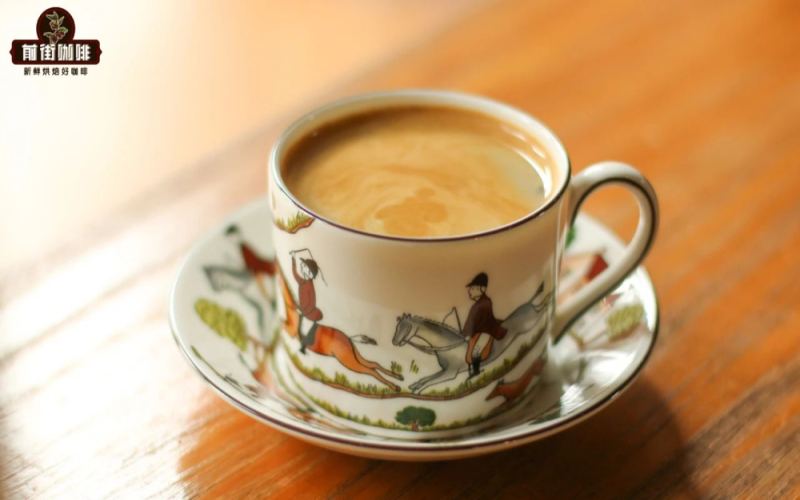
Espresso Blends, SOE, and Single-Origin Coffee | What's the Difference Between Espresso and Americano? Can You Add Sugar to Espresso?
Many friends who are new to coffee are often puzzled by a few questions, such as: what is Americano? What's the difference between espresso and Americano? Which one is more authentic and tastes better? Today, Front Street will answer these one by one for everyone. First, let's clarify a few relationships: What is Americano? Using Esp [more…]
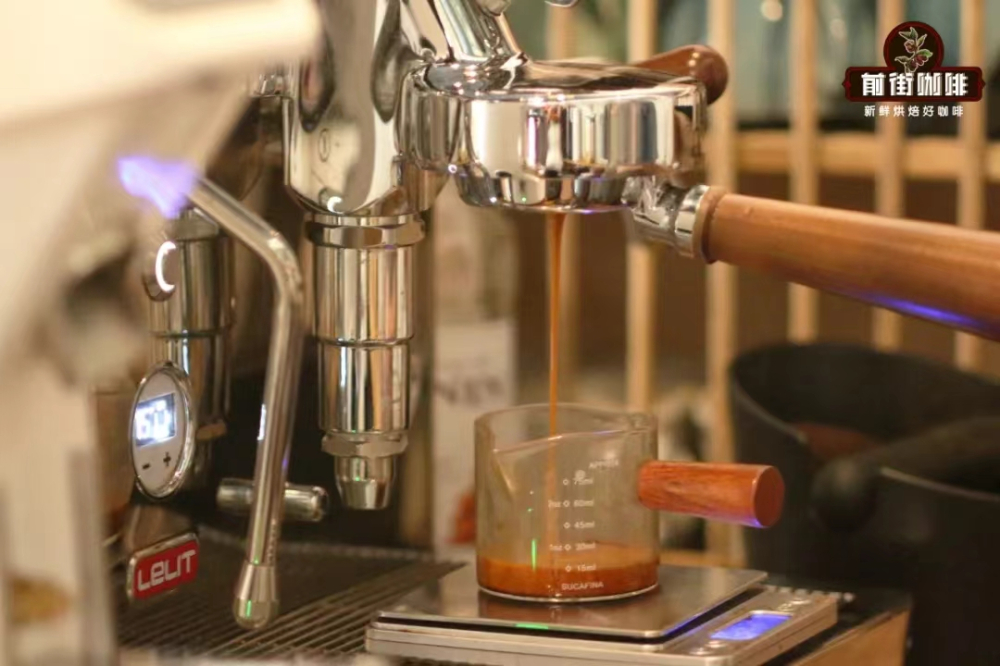
Espresso Extraction Ratios | How Many Milliliters Is a Single Shot of Espresso? What's the Difference Between a Single Shot and a Double Shot?
For more specialty coffee knowledge, please follow our WeChat official account: FrontStreet Coffee. Coffee lovers who often drink Italian milk coffee know that making a milk coffee requires pairing espresso with milk, such as FrontStreet [more…]
What Is the Difference in Bitterness Between Americano and Latte? A Complete Analysis from Espresso Base to Front Street Coffee Blend Beans
American coffee and latte coffee, which cup is actually more bitter? This question seems simple, but behind it lies the extraction principles of espresso, the dilution effects of milk and water, and the profound influence of coffee bean blending methods on flavor. Front Street Coffee will start with the definition and parameters of Espresso, analyze the flavor differences between American coffee and latte layer by layer, and provide a detailed introduction to the characteristics and suitable applications of various espresso blend beans, helping you make a choice that better suits your personal taste when ordering at a café, and also replicate a satisfying cup of espresso at home. [more…]

Espresso Beans for Beginners | Is There a Big Difference in Taste Between Espresso and Americano? How to Choose High-Quality, Rich Espresso Beans?
Did you know? Espresso has a rich mouthfeel and intense flavor, often making it hard for people to accept, but once you get used to it, you find it has a unique charm. Moreover, espresso is also a coffee used to test coffee quality and barista skills. Since espresso is loved by so many people, [more…]
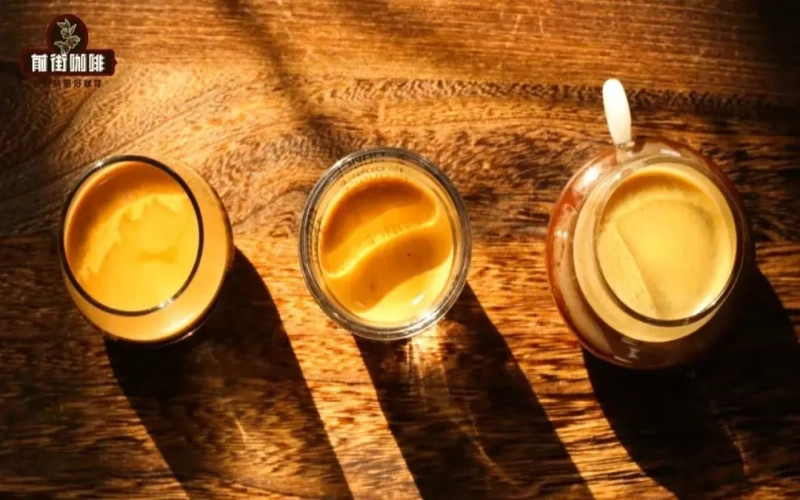
What exactly is the difference between ristretto, espresso, and lungo? The three espresso extraction types and why cafés rarely offer certain options
Many coffee enthusiasts have heard of the three terms "original extraction," "fine extraction," and "full extraction," but are not quite clear on what exactly distinguishes them, nor why these options are almost never seen in specialty coffee shops. In fact, they correspond respectively to Normale, Ristretto, and Lungo in espresso—that is, regular espresso, short-extraction espresso, and long-extraction espresso. The core differences among the three center on concentration and flavor expression: different brew ratios lead to changes in the extracted coffee's concentration and extraction yield. This article uses Front Street Espresso Blend · Strawberry Candy Espresso as an example to break down the extraction parameters and flavor characteristics of the three espressos one by one, and explains why specialty coffee shops rarely offer multiple espresso type choices—this involves both the practical difficulty of grind size adjustment and the compatibility of different espressos in milk coffee. [more…]
Where Do Black Coffee Flavor Differences Come From? A Detailed Guide to the Difference Between Americano and Long Black and How to Choose Front Street Coffee's Four Espresso Blends
The same cup of black coffee can be clean, sweet, and easy to drink, or burnt, bitter, and hard to swallow—so where exactly does the difference come from? Starting with the definition of black coffee, this article sorts out the origins of Americano and the reasons behind its flavor, and compares Americano and Long Black in terms of preparation order, coffee-to-water ratio, and taste performance. At the same time, drawing on the extraction parameters used at Front Street Coffee shops, it introduces one by one the recipes, roast levels, and flavor characteristics of four espresso coffee beans—Basic Blend, Commercial Blend, Warm Sun Blend, and Specialty Blend—to help coffee lovers and shop operators find a bean that suits them. [more…]
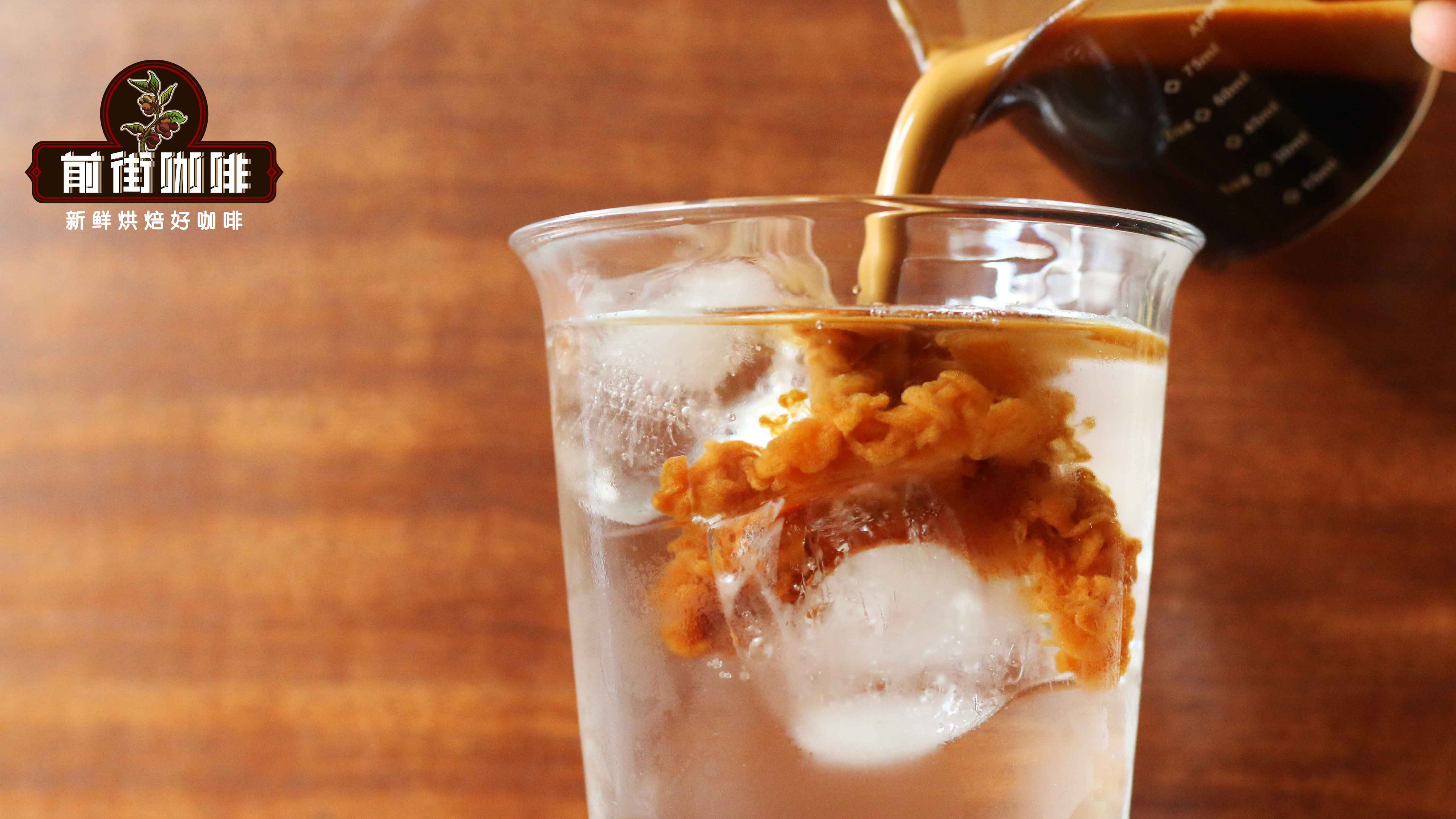
What is the fundamental difference between an Americano and a latte? How does espresso determine the taste and bitterness source of both?
Americano and latte are the two most frequently ordered drinks in coffee shops—one crisp and refreshing, the other rich and mellow—but they are actually both built on the same foundation: espresso. The quality of the espresso directly determines whether an Americano or latte ultimately tastes good, and whether the bitterness is pleasant. This article, from the perspective of Front Street, will first explain clearly what Espresso is, how it is extracted, and how it is drunk, then separately analyze the core differences between Americano and latte in composition, method, and flavor, and share Front Street stores' practical experience in blend bean selection and extraction parameters, helping coffee enthusiasts understand the real reasons behind the differences between the two. [more…]
Specialty Espresso Beans Recommendation | What's the Difference in Flavor Between Espresso and Americano? Which Espresso Beans Have Rich Crema and Are Good for Latte Art?
Did you know? Espresso has a rich mouthfeel and intense flavor, which often makes it hard for people to accept, but once you get used to it, you actually find it has a unique charm. Moreover, espresso is also a coffee that tests coffee quality and barista skill. Since espresso is loved by so many people [more…]
Espresso Extraction Guide: Single vs. Double Shot Differences and Milliliter/Gram Standards Explained
Espresso is the soul base of fancy coffees like lattes, cappuccinos, and mochas, but do you really understand it? How many milliliters does a shot of espresso need to be to qualify as standard? Is the difference between a single and a double shot merely concentration? From the professional perspective of Front Street Coffee, this article systematically sorts out the definition, historical origins, and production process of Espresso, deeply analyzes the differences between single and double espressos in terms of dose, equipment, and extraction method, and provides international technical standards along with Front Street's current extraction scheme. It also extends to the preparation parameters and coffee-to-milk ratio of hot lattes, helping coffee enthusiasts fully master the core knowledge of Italian-style coffee. [more…]
The Same Espresso with Milk: The Essential Differences Between a Dirty and an Iced Latte in Concept, Method, and Taste
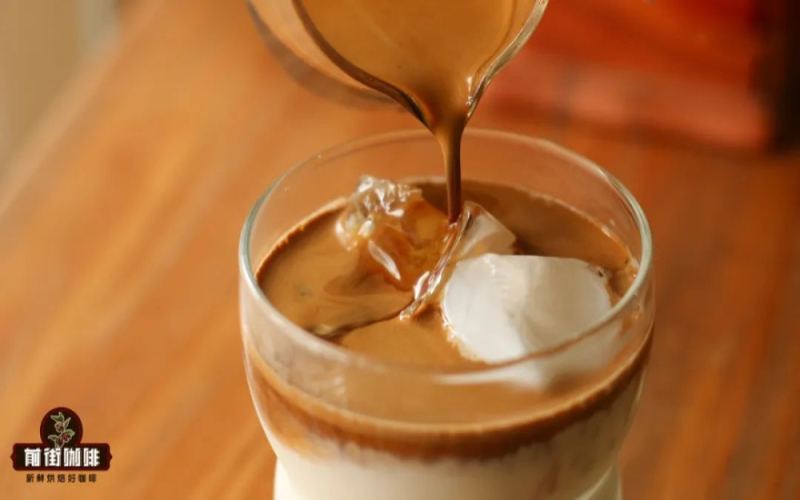
Many people, upon first seeing a Dirty and an iced latte, feel that these two drinks are almost identical—both are espresso with milk, and both can present beautiful layers. But upon deeper understanding, you'll find that they walk completely different paths, from their founding concepts to production details, and then to the drinking experience. The original intention of a latte is to dilute espresso with milk, making it more acceptable to more people; Dirty does the opposite, hoping that the espresso maintains its independent character and forms a sharp contrast with the milk. In this article, Front Street Coffee will dissect the fundamental differences between these two drinks one by one from four dimensions: historical origins, production parameters, appearance, and tasting experience, helping you distinguish their respective characteristics. [more…]
American Coffee: Add Water First or Espresso First? Analyzing the Order Difference and the Real Distinction from Long Black
Should you pour the water first or the espresso first for an Americano? This question seems simple, yet it involves the essential difference between a Long Black and an Americano, the evolution of service efficiency, and the practical differences in taste and appearance. Through comparative experiments, Front Street Coffee found that the two pouring orders do produce differences in crema retention, aroma expression, and flavor evenness, but under blind tasting they are almost indistinguishable. At the same time, a Long Black is not simply about reversing the order—it clearly differs from an Americano in strength. This article, drawing on Front Street Coffee's actual service experience and combining coffee bean recommendations with extraction parameters, will break down these questions one by one. [more…]
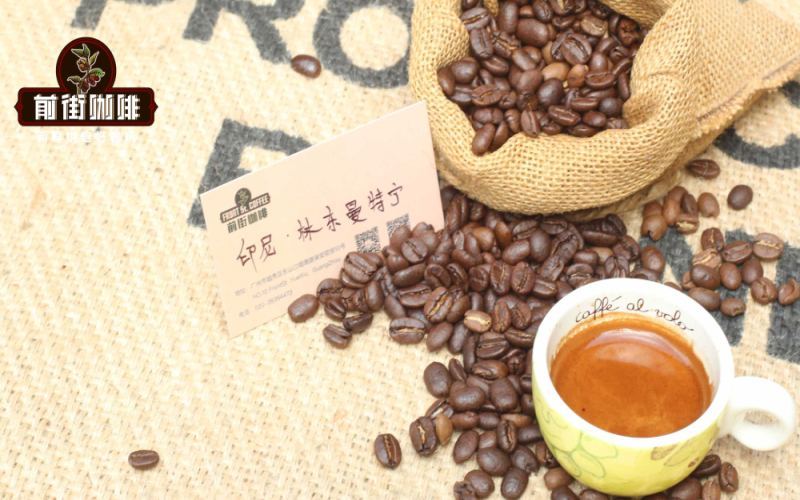
How to Choose Between Mandheling and Espresso Flavor Coffee? An Analysis of the Differences and Characteristics of Single-Origin Beans and Espresso Beans
Today, with coffee shops on every street corner, espresso and pour-over single-origin coffee have become the two most mainstream forms of coffee, and Mandheling, as a classic single-origin bean, is often compared with espresso-style flavored coffee. What exactly is the difference between the two? This article begins with the extraction methods of Front Street Mandheling and espresso, sorts out the differences between pressure extraction and filter brewing, and then explains the differences between espresso beans and pour-over single-origin beans in terms of roast level and blending approach. It also introduces a variety of espresso beans such as Front Street Classic Blend, Commercial Blend, Dark Cocoa Blend, and Specialty Blend, as well as the flavor characteristics of everyday beans such as Yirgacheffe, Mandheling, Brazil, and Colombia, helping enthusiasts make a choice according to their own needs. [more…]

How to Distinguish a Flat White from a Latte? A Guide to Choosing Espresso Beans and Front Street Coffee's Blend Recommendations
Flat White and Latte are often lumped together, but the two have clear differences in espresso base, milk volume, milk foam thickness, and serving temperature. Starting from Front Street Coffee's production standards, this article compares in detail the differences between Flat White and Latte in cup size, ratio, and flavor, and systematically explains the logic of choosing espresso beans—why light roasts are unsuitable for espresso, and why blended beans have become the mainstream. It also introduces the formulas and flavor characteristics of four espresso beans from Front Street Coffee: Sunflower Warm Sun, Specialty Blend, Commercial Blend, and Dark Cocoa Blend, helping coffee lovers find the espresso blend beans that suit their taste. [more…]

Common Types of Italian Coffee | What Are the Classic Milk Coffee Recipes? What's the Difference Between a Latte, Macchiato, Cappuccino, and Dirty?
Espresso is a must-have beverage in every café. Many people's first impression of espresso is that it's unbearably bitter. In fact, espresso isn't limited to such bitter shots. If you want an espresso that isn't bitter and suits your taste, the first thing you need to understand is the different types of espresso. Front Street Cof [more…]
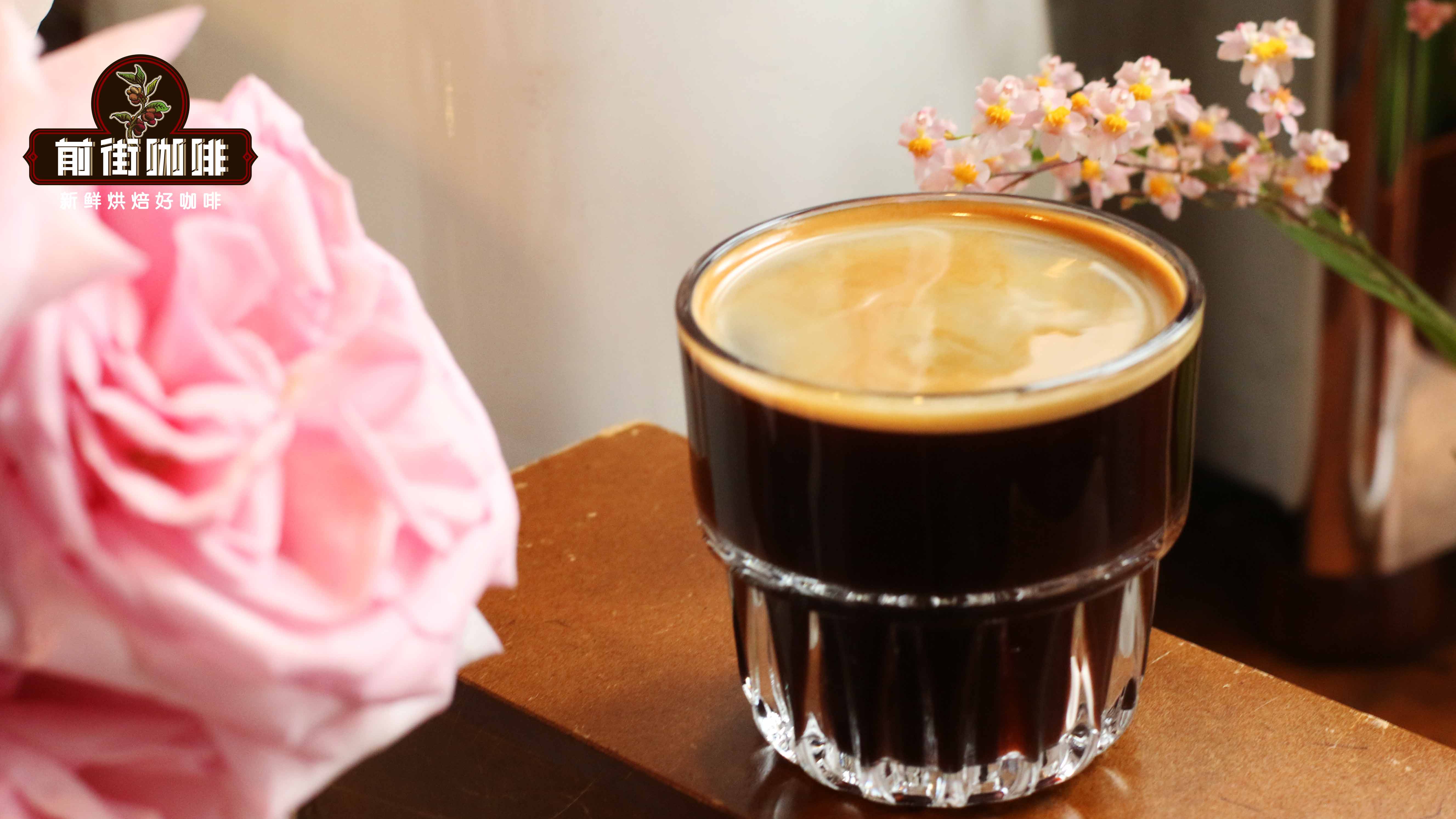
What Beans Should You Choose to Make Espresso? Differences Between Espresso Blends and Single-Origin Beans, Plus Five Recommendations for Home Espresso Machines
To make a decent espresso at home, choosing the right coffee beans is a key step. Many people wonder what espresso beans actually refer to—in fact, they are not a specific variety, but a blend designed for high-pressure extraction. Beans from different origins and processing methods bring differences in acidity, bitterness, sweetness, and body. Single-origin beans are more suited to pour-over or cold brew, while espresso blends pursue balance, smoothness, and stable aroma. This article first clarifies the basic logic of espresso beans, then reviews five popular espresso blends in 2025, including Front Street Coffee's Classic, Strawberry Candy, Specialty, Commercial, and Basic series, to help you find the bag that suits your home coffee machine based on taste and budget. [more…]
Espresso Beginner's Guide: Extraction Standards, Single vs. Double Shot Differences, and Latte Practice Parameters
Espresso is the soul base of fancy coffee drinks like lattes and cappuccinos, but many friends who are just getting into coffee still have doubts about its definition, extraction standards, and the difference between single and double shots. Starting from Front Street Coffee's production experience, this article systematically sorts out the basic concept of Espresso, the differences between single and double espressos, the production process and qualified standards, and combines the Feima E98 coffee machine to give specific extraction parameters for hot lattes and suggestions for milk-to-coffee ratios. Whether you want to know how many milliliters espresso must be to count as qualified, or want to know why it is now mostly measured in grams, this article can provide clear and practical answers to help you build a basic understanding of espresso. [more…]
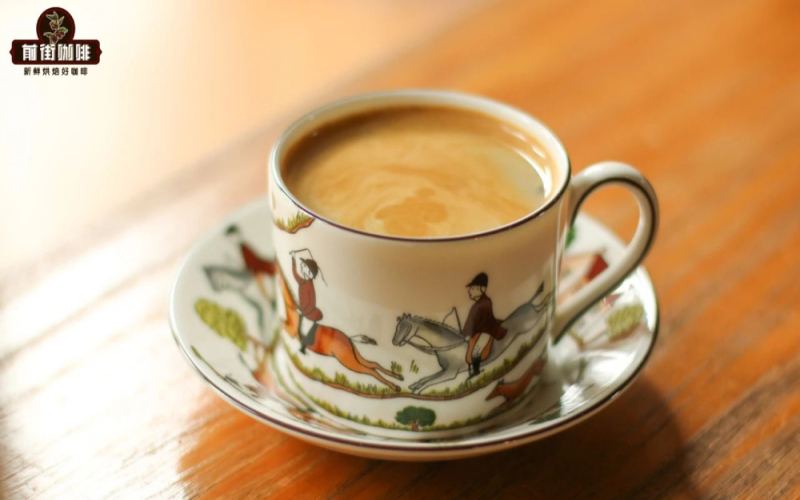
How Does Espresso Differ from Americano? A Guide to SOE Single-Origin and Espresso Blend Bean Recommendations
Many friends who are just entering the world of coffee often cannot distinguish the relationship between espresso and Americano black coffee, nor are they clear about the respective characteristics of SOE single-origin beans and blended beans. From the perspective of Front Street Coffee, this article will sort out the definitions, origins, preparation ratios, and tasting methods of Espresso and Americano, and provide an in-depth analysis of the roasting and extraction difficulties of single-origin espresso beans. At the same time, Front Street will also share a variety of espresso blend recipes, including balanced, bitter, slightly acidic and full-bodied, and winey types, to help coffee lovers make suitable choices according to taste preferences and shop-opening needs. [more…]